A practical guide for “can AI take two photos and put them together”
The five-minute answer
How to combine two photos with an AI app
- Choose two clear portraits.Add one recent, permissioned portrait for each person, with faces and shoulders unobscured.
- Pick a shared scene.Choose a studio, dinner, park, celebration, or everyday setting that gives both faces enough room.
- Generate, inspect, and label.Create the new composition, check faces, hands, clothing, and background details, then label it as AI-generated before sharing.
Need the exact original photo edited? Use a layer-based photo editor for that. TogetherLens creates a new shared scene from the two portraits and leaves the original files unchanged.
TogetherLens is free to install. Photo generation uses paid tokens; Premium is optional and auto-renewing. Check current local prices, included tokens and renewal or cancellation terms in the app before buying.
Use this when two people have separate portraits but want one creative shared frame. TogetherLens composes a new scene from the source images; it does not pretend the original camera captured both people.
Three scenes that fit this idea
Same-day city walk
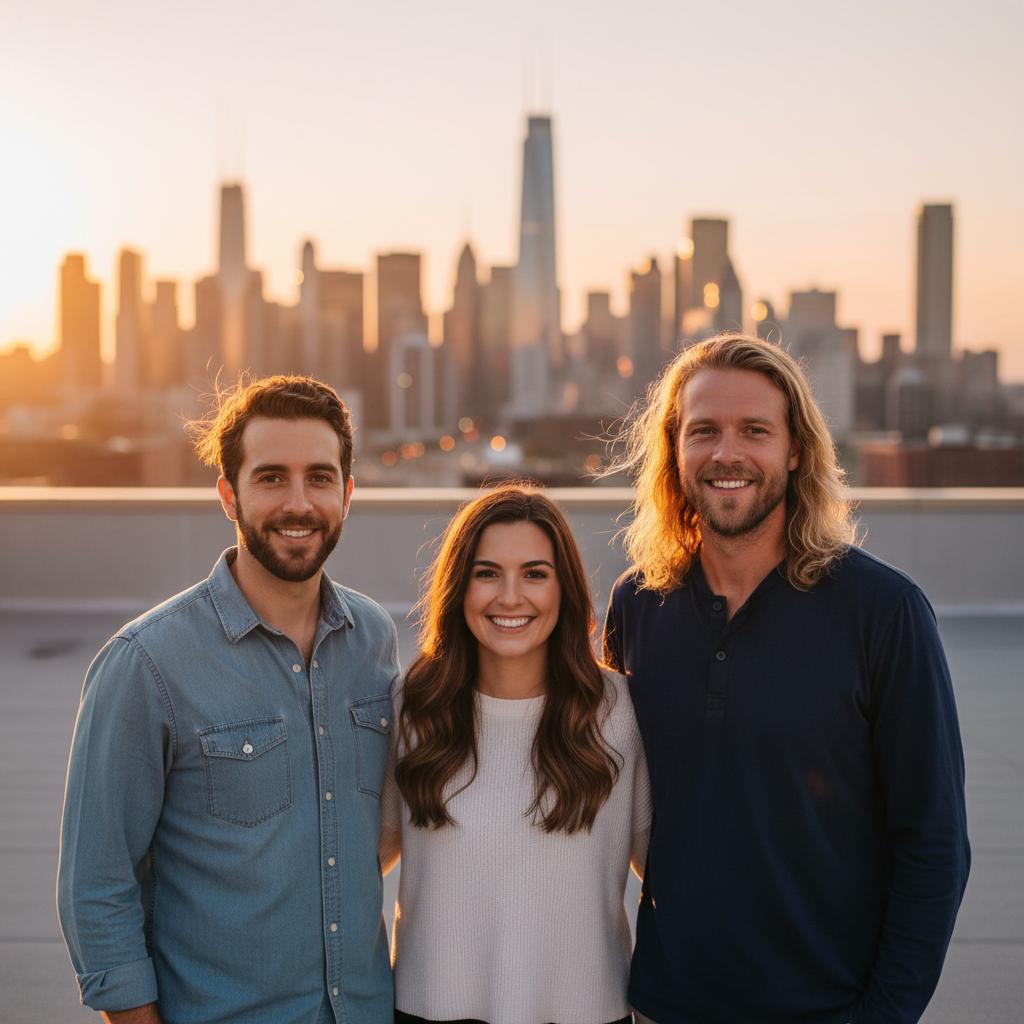
A simple skyline gives two separate portraits one believable visual destination.
Long-table dinner
A wider composition leaves room for both people without forcing a tight crop.
Quiet window light
Soft indoor light keeps attention on expression when the scene should feel personal.
Choose source photos the model can read
TogetherLens creates a new composition from the people you provide. It does not need matching backgrounds, but it does need clear facial information. Start with the original file when possible rather than a screenshot downloaded from a social network or messaging app.
- One clear solo portrait per person
- Choose source photos with a similar camera height and enough space around the shoulders
- Keep each face fully visible and ask every living person for permission.
Generate in three deliberate steps
- Add the selected portraits.Check the group limit in your current app version. Use one clear, permissioned portrait per person and review every crop.
- Choose one or two vibes.Pick a scene that supports the story instead of competing with the faces.
- Inspect the result.Check eyes, teeth, hands, clothing, jewelry, and meaningful background details before sharing or printing.
What to avoid
- Claiming the output is an original photograph
- Using either person's likeness without permission
Generated photos are creative images, not documentary evidence. Disclose that the result is AI-generated when context matters, and never use someone’s face to impersonate, embarrass, or mislead.
Questions about this portrait
Can I get AI to combine two images?
Yes. Choose two clear, permissioned portraits in TogetherLens, pick a shared scene, and generate a new composition. Review faces and label the result as AI-generated before sharing.
Can AI make a photo of two people together?
Yes. TogetherLens can place two people from separate portraits into one new scene, even when the original photos were taken in different places.
Is it possible to merge two photos together?
Yes. The app creates a separate AI-generated image from the two source portraits; it does not overwrite or alter the original files.
How do I merge two pictures in photos?
For a new shared scene, select both permissioned portraits in TogetherLens, choose the setting, generate, and inspect the result. Use a layer-based editor when you need an exact edit to an original photo.
Is it free to combine two photos with AI?
TogetherLens is free to install on iPhone and Android. Photo generation uses paid tokens. Premium is optional; the app shows available purchase options, prices, and renewal terms before purchase.
Can I combine photos when the people were in different places?
Yes. Select one permissioned portrait for each person, choose a shared scene, and TogetherLens creates a new composition from them.
Does TogetherLens edit the original photos?
No. It creates a separate AI-generated group image, so keep the original files and label the new result when context matters.