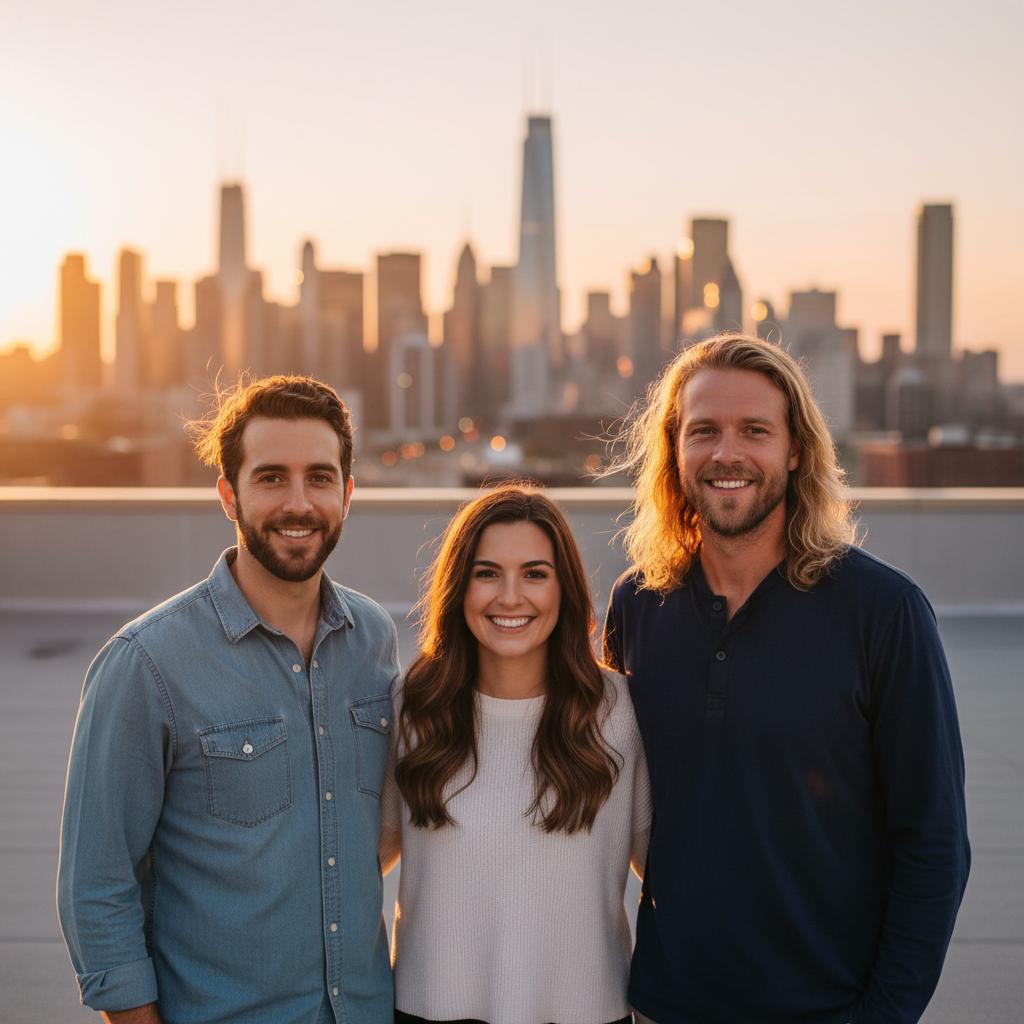
A practical guide for “combine two images into one”
Use this wording when the two source files come from different camera rolls or devices. TogetherLens reads the people in each image and places them into one new group composition.
Three scenes that fit this idea
Open-air market
A lively but uncluttered background makes the new shared image feel like a real outing.
Garden path
Leading lines create space around two people with different portrait crops.
Plain paper backdrop
A quiet background works best when the two faces need to stay visually consistent.
Choose source photos the model can read
TogetherLens creates a new composition from the people you provide. It does not need matching backgrounds, but it does need clear facial information. Start with the original file when possible rather than a screenshot downloaded from a social network or messaging app.
- Choose the highest-resolution version of each image
- Avoid sunglasses, extreme side angles, and cropped hairlines
- Keep each face fully visible and ask every living person for permission.
Generate in three deliberate steps
- Add the selected portraits.Check the group limit in your current app version. Use one clear, permissioned portrait per person and review every crop.
- Choose one or two vibes.Pick a scene that supports the story instead of competing with the faces.
- Inspect the result.Check eyes, teeth, hands, clothing, jewelry, and meaningful background details before sharing or printing.
TogetherLens is free to install. Photo generation uses paid tokens; Premium is optional and auto-renewing. Check current local prices, included tokens and renewal or cancellation terms in the app before buying.
What to avoid
- Treating the generated image as evidence that the people were together
- Removing the AI label when the audience could mistake it for a real event photo
Generated photos are creative images, not documentary evidence. Disclose that the result is AI-generated when context matters, and never use someone’s face to impersonate, embarrass, or mislead.
Questions about this portrait
Can the two images have different backgrounds?
Yes. TogetherLens uses the individual portraits as source material and builds a new shared scene, so the original backgrounds do not need to match.
What should I check after combining the images?
Review each face, hands, clothing, crop, and background detail. Keep the original files and identify the result as AI-generated when context matters.